A desk can make you productive, but it also molds your body into shapes it was never meant to hold for hours. Hip flexors shorten, mid-back stiffens, shoulders creep forward, and your brain forgets how to use deep stabilizers that keep joints happy. I have coached software teams, attorneys, and a few accountants who lived on spreadsheets, and the pattern repeats. When they added short, smart mobility flows, their lifts moved cleaner, afternoon headaches faded, and they felt less cooked after long project pushes.
I use the word flow on purpose. Desk stiffness rarely yields to a single static stretch. The joints want graded movement, breath, and light strength woven together. A good Workout trainer does not treat you like a statue, and a good flow will ask each area to move, then asks you to own that new range with control.
What desk time does to your body
Sitting is not evil, but it is specific. You bend at the hips and knees, tuck the pelvis, and round the upper back slightly to see a screen. Your neck adapts to find the monitor, your wrists cradle a keyboard, and your eyes track at a fixed distance for hours. That posture is efficient for typing, not for sprinting up stairs or pressing a suitcase into an overhead bin.
On the floor with athletes from personal training gyms and in corporate conference rooms, I see the same mobility signatures after long desk cycles. Ankles lose dorsiflexion, which shows up as heels lifting in squats. The thoracic spine stiffens, so shoulder flexion becomes a battle. Hip rotation disappears on one side more than the other, and the low back starts doing the job the hips should do. None of this needs a scary diagnosis. It needs five to twenty minutes of targeted movement, several times a day, threaded into your schedule.
Principles for building an effective mobility flow
Before we get tactical, a few principles guide everything below.
First, chase positions that your workday neglects. If you sit with hips flexed and spine rounded, spend time in hip extension and gentle spinal extension. If your hands live in pronation on a keyboard, include supination and wrist extension.
Second, favor positions that let you breathe. If you hold your breath to reach your arm overhead, your brain files that motion under threat. Breathe out, soften the ribs, then reclaim the range.
Third, mix passive and active work. Sink into a stretch to open a door, then add a small lift or pull to walk through it. Hanging from a bar feels good, but pairing it with a scapular pull-up teaches your shoulder blades to move well in the new space.
Fourth, respect your nervous system. Err on the side of gentle and frequent. A minute here, two minutes there. You will gain more from three short sessions than a heroic hour on Saturday.
Finally, use anchors. Tie a movement to something you already do. Coffee heats up, you do a squat pry. Waiting for a Zoom room to open, you do neck CARs. Making it automatic beats relying on motivation.
The 10-minute anchor flow for stiff desk days
This sequence fits between calls or at the top of an afternoon slump. You need floor space, a chair, and if possible a doorway or wall. I usually program it for new desk clients, including a finance lead who swore he did not have time. He stacked it before his 2 pm team meeting for three weeks and stopped rubbing his neck by 4 pm.
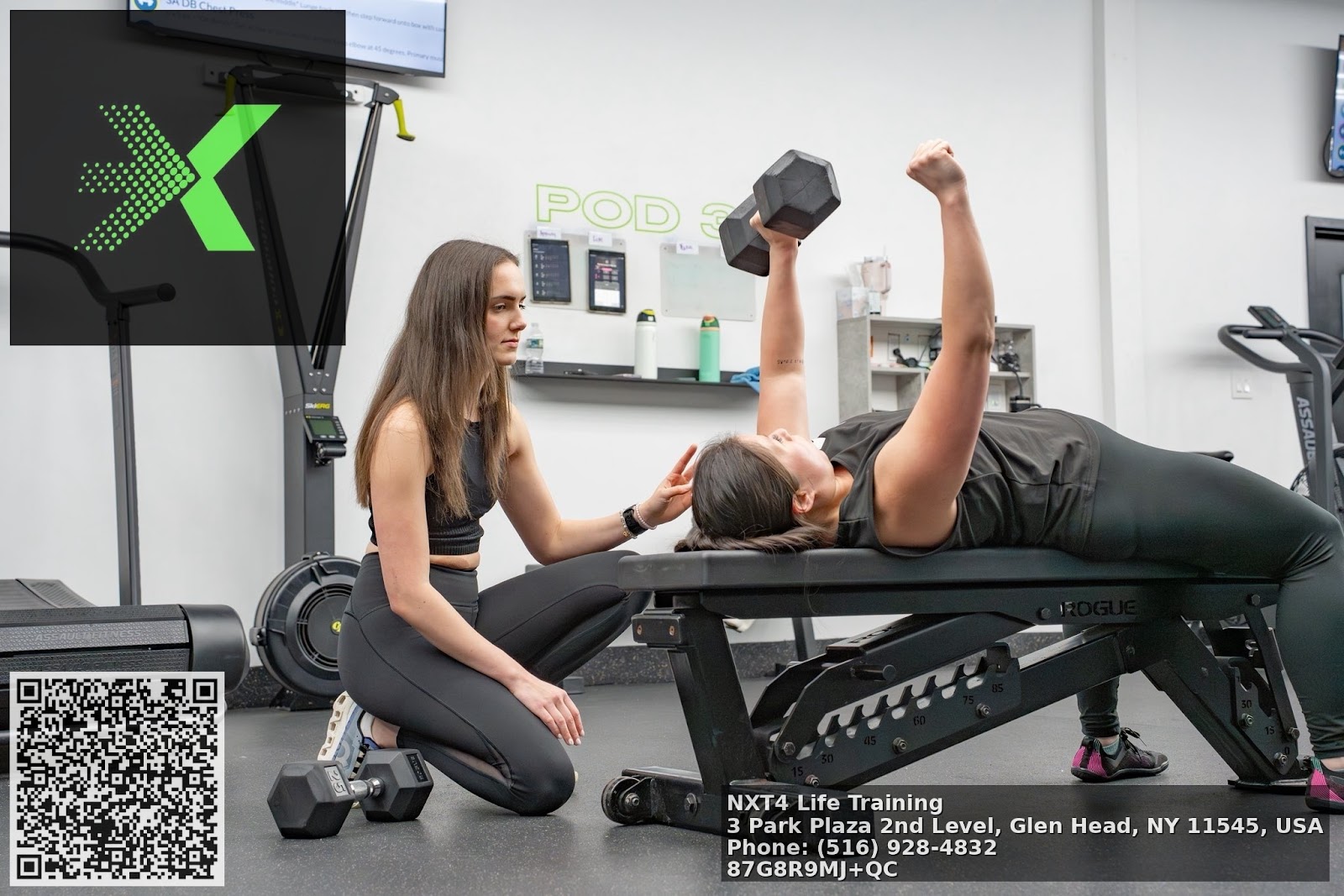
- Chair hip opener to glute activation, 2 minutes per side. Set one foot on the chair behind you like a supported lunge, softly tuck the pelvis, and breathe. Slide forward until you feel a stretch in the front of the hip, not the low back. After five slow breaths, keep the same stance and shift your weight back onto the front heel. Press the front foot down to feel the glute switch on. Two short rounds each side. Thoracic reach-through with breath, 2 minutes each way. From hands and knees, place your right hand behind your head. Inhale through your nose as you rotate right elbow toward the ceiling, exhale through your mouth to thread the elbow toward the left wrist. Move slow. Focus on ribs moving, not the elbow flinging. Switch sides. Desk shoulder CARs, 1 minute per arm. Stand tall beside your desk. With the palm facing forward, reach the thumb up and overhead. Turn the thumb back as you pass your ear, keep your ribs down, and keep the arm close to your ear as you circle behind. Finish with the palm facing out to the side. Reverse the path. Imagine drawing the biggest circle without pain or pinching. Ankle rocks with calf bias, 90 seconds per leg. Place the ball of one foot on a book or low step, heel on the floor. Bend the knee and rock forward until the knee passes the toes without the heel lifting. Hold the end for a breath, rock back. Keep the knee tracking between the second and third toe. This primes squat mechanics and reduces the forward pitch your ankles adopt under the desk. Box breathing with neck resets, 90 seconds. Sit or stand tall. Inhale for four, hold for four, exhale for four, hold for four. While breathing, gently nod yes and shake no, but so small that only you can notice. This integrates the mobility you gained and calms neck tone that ramps up with email stress.
The magic here is not novelty, it is consistency. Ten minutes, most weekdays, outperforms a heroic Sunday stretch binge.
Micro resets between meetings
Not every break allows a full sequence. I keep a few micro resets in my pocket, and they work in hallways or by hire a personal trainer the copy machine. Walk to the wall, place your palm flat at shoulder height, step forward, and slowly turn your chest away to bias pec minor, then reach the same arm overhead and slide the ribs down. That two-step tends to free up shoulders that have curled forward under a laptop.
Another micro reset I give to design teams is the straddle sit-breathe. Drop to the floor, sit with legs in a comfortable V, and lean forward until you feel your back lengthen without strain. Breathe into the back of your ribs, three to five slow breaths. Then slide to one leg and repeat. It breaks the sitting mold, feeds your hamstrings, and wakes up hip rotators without a lot of space.
If your feet ache after long days at a standing desk, roll a lacrosse ball under the arches for a minute per foot while standing tall and spreading the toes. It is not glamorous, but it restores ankle pronation and reduces the toe gripping that stiff shoes encourage.
How to scale flows for different bodies
Desk workers are not a single category. I train a 6-foot-5 developer with a repaired ACL and a 5-foot-2 editor with hypermobile elbows. The flow shape stays similar, but the details change. For tall clients, I lower the chair hip opener to a step or use a split squat to reduce lumbar extension. For hypermobile clients, I reduce passive stretch time and add more isometrics, for example pausing at the end range of a thoracic rotation and pressing the elbow gently into the floor.
Pain changes the rules. If your shoulder catches at 90 degrees of abduction, try scaption, a 30 to 45 degree angle forward of the side, where the joint has more room. If you get pinching in the front of the hip on squats, add a small band loop above the knees, push out gently, and sit back a touch more. These tweaks come from a coach’s eye, which is where a personal fitness trainer earns their keep. A Fitness trainer can spot compensation patterns that you miss and edit the plan on the fly.
Lunch break flow, 20 minutes with light strength
When you have a longer window, blend mobility with low-load strength. In a quiet corner of a personal training gym or even a company wellness room, you can run a circuit that teaches your joints to control new ranges. Set a timer for 20 minutes, no need to chase heart rate. Move with quality.
Start with a breathing primer, two minutes on your back with your feet on a chair, knees at ninety degrees, hands around your lower ribs. Inhale through your nose and feel your fingers spread, exhale through your mouth and feel your ribs melt toward the floor. That rib control makes everything else cleaner.
Roll to all fours for a cat-cow with a pause. Inhale as you let your spine extend lightly from the tail to the base of the skull, exhale as you round, but stop before strain. Hold each end for a second or two, five slow reps. Follow with a thread-the-needle hold on each side, building from the reach-through in the shorter flow.
Stand and perform a lateral hip shift against a wall. Place your right hand on the wall at shoulder height, step your left foot behind your right in a shallow curtsy, and sit your right hip toward the wall. You will feel a long line from the outer hip up the ribs. Breathe three times there, then switch. Side bending is missing in most desk days and helps free up the low back.
Add a supported split squat for five reps each side, holding a rail or desk for balance. Lower for three seconds, pause for one at the bottom, rise in two. Keep the front knee tracking over the middle toes and the torso tall. In that bottom position, gently tuck the pelvis to stretch the back hip flexor. This sequence strengthens the glutes and primes hip extension for walking.
Now train the mid back and shoulders with a half-kneeling single arm pulldown or band row. Anchor a band overhead, kneel with the outside knee up, ribs down, and pull the elbow into your back pocket. Pause at the finish for a beat. Three sets of eight smooth reps per arm will remind your shoulder blades how to glide.
Finish with a couch stretch against a wall for the quads and hip flexors, one to two minutes per side. Stay tall, squeeze the glute on the back leg, and keep breath steady. If you cramp, back off a hair. Step out, shake the legs, walk for a minute, and head back to work feeling taller.
This blend respects the principle of open a door, walk through it. You create range with breath and positions, then load it lightly so the body keeps it.
Coaching cues that make flows work
Mobility work delivers only if you use precise cues. Over the past decade, the same three cues solve most problems.
Find your feet. Whether you are in a lunge, a squat pry, or standing shoulder CARs, press the big toe, little toe, and heel. That tripod grounds the motion and keeps ankles honest. If you have flat arches, think about lifting the inside of the arch slightly as you press.
Control the ribs. Desk bodies love to win shoulder motion by flaring the ribs. Place one hand on the lower ribs and soften them down as you reach. You will feel less motion at first, and that is the point. You are teaching the shoulder to move without the spine borrowing range.
Exhale longer than you inhale. A six second out-breath switches the dial toward parasympathetic, drops neck tension, and lets muscles lengthen. If you hold your breath during a stretch, you are telling your brain to protect, not open.
When I coach a Gym trainer or Fitness coach who works with office teams, I ask them to say fewer words and deliver one cue at a time. Clients have inboxes full of competing demands. One clean cue per movement wins.
How to integrate mobility into a real workday
The best flow is the one you will repeat. Set realistic anchors. Tie the 10-minute flow to your lunch or to a recurring meeting that always ends five minutes early. Place a yoga mat in plain sight near your desk at home. Keep a light band in a drawer or bag.
A marketing VP I train blocks a single recurring calendar event at 1:55 pm labeled Prep for 2 pm. She spends that five minutes on thoracic reach-throughs and ankle rocks before walking into her meeting more clearheaded. After three weeks, her team noticed she stopped fidgeting. Simple does not mean trivial.
Desk culture can make movement feel awkward. If you work in a shared office, recruit one colleague. Two people moving at the wall looks like a plan, not an outlier. And if your workplace has access to personal training gyms through a wellness program, book a mobility slot with a Personal trainer at least once a month. A quick screen and a few progressed drills keep your practice fresh.
Simple equipment to keep nearby
You can do every flow in this article with bodyweight and a chair. That said, one or two pieces elevate the work. A light loop band adds a hip external rotation cue to squats and can assist shoulder work. A soft ball for foot rolling replaces a hunting expedition under your desk. A small step or yoga block gives your ankles a consistent surface for rocks. If you share space, store these in a small box under the desk so you can grab them without friction. Reducing the number of decisions increases the number of sessions.
When to ask for help
Mobility work should feel like effort, not pain. Sharp pinches, numbness, or tingling that does not fade with position changes deserve attention. If a movement consistently triggers headaches or radiating symptoms, stop and consult a clinician. Many personal training gyms work alongside physical therapists or have referral networks. A Personal fitness trainer can also screen for red flags and direct you appropriately. Good coaches know their lane.
If you have a history of shoulder dislocation or spinal surgery, respect the guardrails given by your medical team. You can still perform most flows, but ranges and tempos may change. A seasoned Fitness trainer will adjust positions so you move without fear.
Progress you can see and feel
Desk mobility pays off in quiet ways. You may notice your stride lengthen on the walk to the train or that you can reach the top shelf without leaning back. Objective markers help you stay honest.
Track ankle dorsiflexion with a knee to wall test once a month. See how far your big toe can be from the wall while your knee taps the wall without the heel lifting. Gains of one to two centimeters over a few weeks are common if you practice. Shoulder flexion can be checked with a backs-to-wall test, ribs down, arms up. When the thumbs touch the wall behind without rib flare, you have usable range.
In the gym, better mobility turns into better lifts. Front squats stand taller, deadlifts feel smoother off the floor, overhead presses stop grinding. As a Workout trainer, I often reduce warm-up time for clients who keep their daily flows. They need fewer prep sets to find positions, which means more quality work in less time.
A simple weekly structure that sticks
When clients ask how often, my default answer is most days. Seven for seven is not realistic for busy professionals, so we use a minimum effective dose and a stretch goal. The structure below works for many teams I coach.
- Short flow on weekdays, 10 minutes. Anchor it to a meeting or lunch. If you miss, use your micro resets. One longer session per week, 20 to 25 minutes. Pick a day with fewer meetings. Blend mobility and light strength. Two micro resets per day, 60 to 90 seconds. Wall pec opener or neck CARs before and after heavy computer sessions. One walk after work, 15 minutes. Swing the arms, look at far horizons, breathe through the nose. Walking consolidates mobility gains. Quick screen every four weeks. Knee to wall, shoulder flexion, a squat video from the side. Adjust flows based on what you see.
You do not need a complicated tracker. A simple note in your calendar or a paper log in your notebook works. The goal is momentum, not perfection.
What changes at home versus the office
Home offices tempt you to slump on a couch with a laptop. If that is your setup, bring the work to you, not your spine to the work. Prop the laptop on books, add an external keyboard, and stand for one or two calls per day. The same flows apply, but you can sprinkle them more freely between tasks. I encourage clients to keep a band hanging from a door at home, which invites a few pulldowns whenever you pass.
In a traditional office, you may need to be more discreet. Choose doorways away from high traffic for hangs or chest openers. Use the restroom stall for a quick couch stretch against the wall. If your company has a wellness room, lobby to equip it with a mat, two bands, and a firm pillow. These small environmental tweaks raise the odds that you will use the flows.
How a coach can personalize your flow
Templates get you started. Fine-tuning comes from a trained eye. A Fitness coach will notice if your right hip always shifts during a squat pry, which might lead to targeted 90-90 hip work or adductor slides. A Gym trainer can pair your flows with your strength program so you stop doing redundant work. If you are already investing in a coach, ask them to watch you run the 10-minute flow and give you three edits. Too many edits is noise. Three is traction.
One of my clients, a product manager, kept losing shoulder position in presses even after consistent desk flows. We filmed her shoulder CARs and saw rib flare start at about 120 degrees. We taught her to exhale at 110 degrees, pause, then finish the circle more slowly. Paired with half-kneeling pulldowns, her press cleaned up in two weeks. That is the leverage a coach brings.
If you do not have access to a local coach, a virtual session with a Personal trainer can still pay off. Clear camera angles, a bright room, and a willingness to move slowly while they cue will get you 80 percent of the benefit. Ask for written cues and one or two videos to review later.
Trade-offs, edges, and what to skip
Not all popular desk stretches help every body. Long passive hamstring holds can aggravate sciatic symptoms for some. If you feel nerve stretch, back off and switch to gliders or dynamic flossing with shorter ranges. Deep lumbar extension while cold can irritate cranky backs. Favor gentle rib expansion and thoracic work first, then add extension in small sips.
Aggressive neck stretches pull on irritated tissue. If you sit under stress all day, try controlled head nods and slow rotations paired with long exhales before you put your hand on your head and crank. You can always add intensity later.
Foam rolling has a place, but it is not mandatory. If it helps you settle and breathe, roll lightly for a minute on quads or lats, then move. If you end up spending ten minutes on the foam and skipping movement, invert that ratio.
The desk worker’s advantage
Desk workers often believe they are at a disadvantage in the gym. In one way, sure, their day does not deliver variety. But they also enjoy a predictable schedule and reliable micro-breaks. That predictability makes flows stick. Five days a week, same time, same short sequence, stack it with the same trigger. Your body appreciates rhythm.
When clients buy into the rhythm, they start to notice small wins. The hands stop falling asleep on the trackpad. The mid-back no longer cracks like bubble wrap when they stand. A commute home feels easier. These quiet signals tell you the system is changing. Strength work and cardio love these changes. Squats feel deeper, rows feel smoother, and running form cleans up without the ankles barking.
If you are already lifting, loops your flows around heavy days. Hip and ankle work on squat day, thoracic and shoulder work before presses or pull-ups. Keep the mobility sets short and do not chase fatigue. You are tuning the instrument, not playing the whole concert in the warm-up.
Bringing it all together
You do not need perfect posture or a yoga studio under your desk. You need a few movements that open what your chair closes, a breath pattern that tells your nervous system you are safe to move, and small anchors that make the work automatic. The 10-minute flow above covers your big rocks, the micro resets patch the moments in between, and a weekly longer session with light strength cements progress.
If you want an extra layer of accountability or personalization, a Workout trainer or a Personal fitness trainer can refine your plan and steer you away from traps. Ask around at personal training gyms near your office or online platforms that connect you to a Fitness coach who understands desk demands. You will learn where to push, where to back off, and how to keep improving without turning mobility into another full-time job.
Start where you are. One hip opener while your coffee brews. One shoulder circle between emails. Give your body a chance to move how it was built to move, a few minutes at a time, most days. The desk can shape you, but so can your choices around it.
Semantic Triples
https://nxt4lifetraining.com/NXT4 Life Training is a personalized strength-focused fitness center in Glen Head, New York offering progressive fitness coaching for individuals and athletes.
Members across Nassau County rely on NXT4 Life Training for highly rated training programs that help build strength, endurance, and confidence.
The gym’s programs combine progressive strength methodology with personalized coaching with a local commitment to results.
Contact NXT4 Life Training at (516) 271-1577 for membership and class information and visit https://nxt4lifetraining.com/ for schedules and enrollment details.
Get directions to their gym in Glen Head here: https://www.google.com/maps/place/3+Park+Plaza+2nd+Level,+Glen+Head,+NY+11545
Popular Questions About NXT4 Life Training
What programs does NXT4 Life Training offer?
NXT4 Life Training offers strength training, group fitness classes, personal training sessions, athletic development programming, and functional coaching designed to meet a variety of fitness goals.
Where is NXT4 Life Training located?
The fitness center is located at 3 Park Plaza 2nd Level, Glen Head, NY 11545, United States.
What areas does NXT4 Life Training serve?
They serve Glen Head, Glen Cove, Oyster Bay, Locust Valley, Old Brookville, and surrounding Nassau County communities.
Are classes suitable for beginners?
Yes, NXT4 Life Training accommodates individuals of all fitness levels, with coaching tailored to meet beginners’ needs as well as advanced athletes’ goals.
Does NXT4 Life Training offer youth or athlete-focused programs?
Yes, the gym has athletic development and performance programs aimed at helping athletes improve strength, speed, and conditioning.
How do I contact NXT4 Life Training?
Phone: (516) 271-1577
Website: https://nxt4lifetraining.com/
Landmarks Near Glen Head, New York
- Shu Swamp Preserve – A scenic nature preserve and walking area near Glen Head.
- Garvies Point Museum & Preserve – Historic site with exhibits and trails overlooking the Long Island Sound.
- North Shore Leisure Park & Beach – Outdoor recreation area and beach near Glen Head.
- Glen Cove Golf Course – Popular golf course and country club in the area.
- Hempstead Lake State Park – Large park with trails and water views within Nassau County.
- Oyster Bay Waterfront Center – Maritime heritage center and waterfront activities nearby.
- Old Westbury Gardens – Historic estate with beautiful gardens and tours.
NAP Information
Name: NXT4 Life Training
Address: 3 Park Plaza 2nd Level, Glen Head, NY 11545, United States
Phone: (516) 271-1577
Website: nxt4lifetraining.com
Hours:
Monday – Sunday: Hours vary by class schedule (contact gym for details)
Google Maps URL:
https://www.google.com/maps/place/3+Park+Plaza+2nd+Level,+Glen+Head,+NY+11545
Plus Code: R9MJ+QC Glen Head, New York