A small selection of well-chosen equipment shapes the first six months of a client's progress more than a crowded rack of gadgets. For trainers who teach beginners, the right pieces make coaching clearer, reduce injury risk, and speed up confidence. I have worked in three different gyms over the last decade, training clients who ranged from nervous first-timers to weekend warriors returning from long layoffs. These experiences taught me that equipment choice is practical, not trendy: it must be versatile, scalable, and easy to cue.
Why this matters A good setup helps a personal trainer teach movement patterns, not just exercises. If squats feel unstable, a client will avoid depth and never build the mobility or strength they need. If a machine locks someone into a pattern, it will mask weaknesses. Choosing equipment with incremental progression and ergonomic design lets a fitness trainer correct technique, add load safely, and keep sessions rewarding. For gym owners, that means higher retention; for gym trainers, it means fewer stopped programs and better client stories.
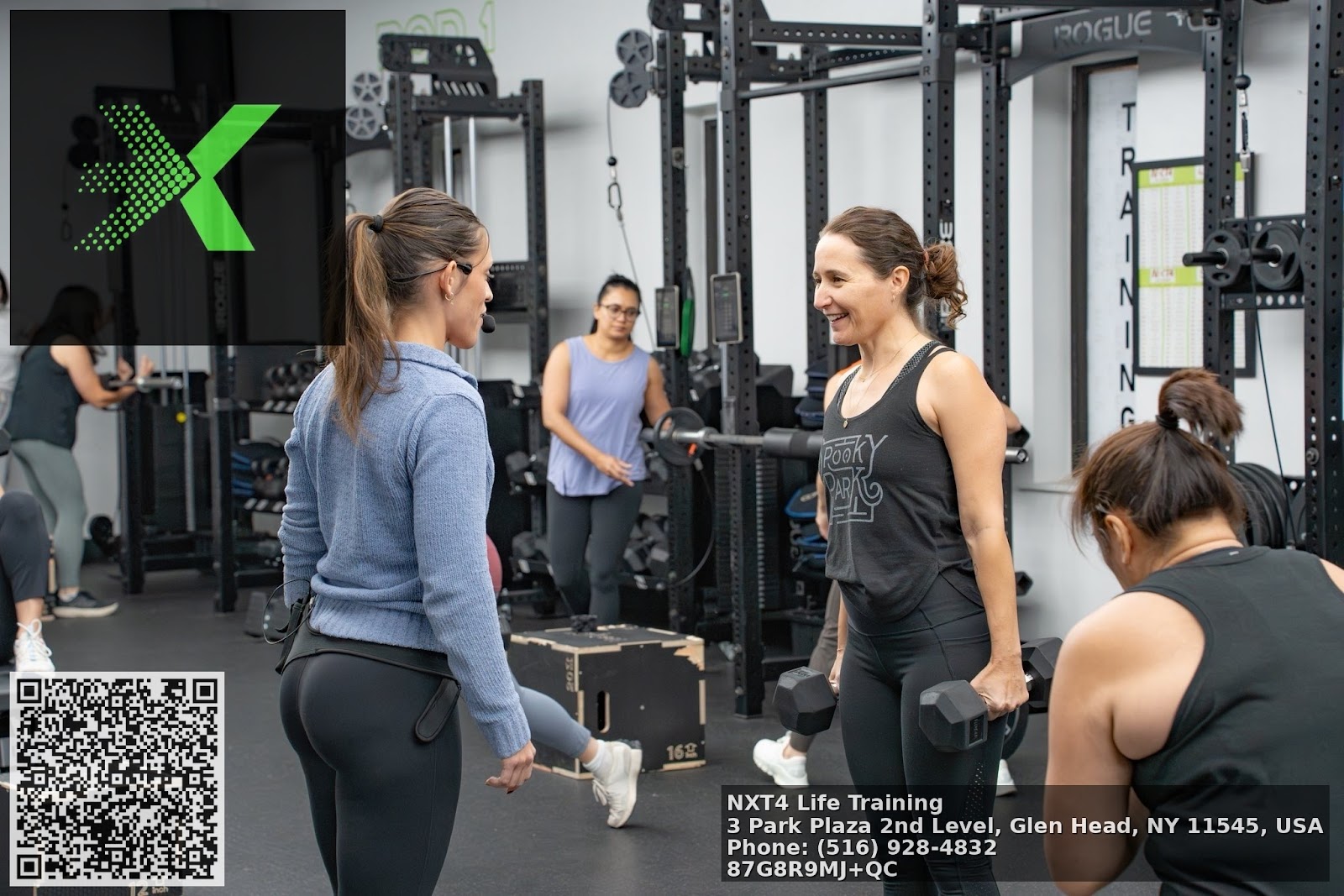
Foundational principles for selecting beginner equipment Begin with adaptability. A training tool should scale from bodyweight to significant resistance without changing the basic cueing. Second, prioritize safety. Clear feedback, simple adjustments, and minimal technical setup reduce early-session fatigue that comes from learning equipment instead of movement. Third, favor durability and easy maintenance; nothing erodes trust faster than worn cables or loose bolts in the first month of training. Finally, choose equipment that supports compound, multi-joint work. Beginners gain the most from squats, hinge patterns, pushing, pulling, and loaded carries.
Core pieces every personal trainer should have access to Kettlebells. These are among the most versatile investments a personal fitness trainer can make. They teach hip hinge, single-leg stability, and loaded carries while allowing smooth progressions. Start a beginner with a 8 kg to 12 kg bell for women and 12 kg to 20 kg for men, adjusting for fitness and coordination. Kettlebell swings, goblet squats, and dead-clean pulls can be cued in the same session to teach posture and breathing. A practical note from experience: purchase at least three sizes per coach so you can pair clients or move between progressions without pausing the session.
Adjustable dumbbells. Free weights teach unilateral control and allow quick changes in intensity. For gyms, fixed dumbbell sets are ideal, but for compact personal training spaces, adjustable dumbbells that go up to 30 kg or 40 kg cover most beginner-to-intermediate needs. Dumbbells let you progress clients from seated presses to split squats with small, measurable jumps. I often keep a set of small fractional plates handy to increase load by 1 to 2 kilograms when a client is ready to push strength without breaking form.
Cable machine with adjustable pulley. A single cable column or functional trainer provides constant tension and a wide variety of angles for rows, presses, anti-rotation chops, and face pulls. Beginners respond well to cables because the resistance feels smooth and the movement can be slowed for technical practice. For therapy-minded programming, cables make it easy to adjust the moment arm so weak joints can handle load early in a plan.
Squat rack or power rack. Teaching the squat pattern safely means having a rack with adjustable safety pins and an easily loaded barbell. You do not need Olympic competition plates for beginners; bumper plates or standard metal plates in 1.25 kg, 2.5 kg, 5 kg increments are more useful. Use safety pins set just below a novice's depth so they can learn the pattern without fear. Racks also serve for chin-ups, landmine attachments, and suspension anchors, increasing their value.
Adjustable bench. A flat-to-incline bench adds pressing variety, supports seated rows and is essential for teaching the lying movements with confidence. An adjustable bench that locks securely and has minimal wobble improves client trust. Early sessions with injured or deconditioned clients often use the bench for supported split squats and chest presses to remove balance demands while building strength.
Medicine balls and slam balls. Medicine balls teach explosive hip extension and trunk control without a high coordination barrier. Use 2 kg to 6 kg medicine balls for rotational throws and 6 kg to 10 kg slam balls for vertical power. They are also great for conditioning circuits where you want intensity without complex mechanics.
A quality lifting platform or rubber flooring. Proper flooring protects equipment and joints. Beginners often land weights too close to their bodies as they learn depth and control, so a platform or four centimeters of heavy rubber matting reduces risk and noise. Gym trainers who skimp here pay later in damaged bars and unhappy neighbors.
Cardio options that complement strength work Rowing machine. Rowing trains posterior chain and conditioning with a low injury profile. Beginner-friendly because the movement is linear and easy to cue: push the legs, lean the torso, finish with the arms. Use intervals of 250 to 500 meters to build aerobic and anaerobic capacity.
Bike or assault bike. For clients who need low-impact options because of joint issues, an upright or recumbent bike is essential. The assault bike is harsh but efficient for short intervals and measuring effort objectively. I use the assault bike in small doses early when clients need quick wins with clear, trackable metrics like calories per minute.
Treadmill. Walking builds confidence and habit. For many new clients, improving daily steps and walking economy precedes formal strength progress. A treadmill that inclines enables low-impact hill work for stronger glutes without heavy load.
Accessories that matter more than you think Resistance bands. Mini bands, long loop bands, and therapy bands offer graduated assistance or resistance and cost very little. Use them for shoulder warm-ups, banded squats to teach hip drive, or assisted chin-ups. In one case, a client with weak scapular control went from painful raises to clean overhead presses in eight weeks using progressive banded rows and face pulls.
Foam rollers and mobility tools. Teaching self-management is part of being a personal trainer. personal trainer for weight loss A few foam rollers, lacrosse balls, and a mobility strap let you coach clients to address tight hips, calves, and thoracic spine. This intervention often reduces soreness that otherwise halts progress after the third week.
Plyo box or step. A stable box for step-ups, box squats, and assisted jumps builds confidence in vertical movement. For beginners, start with low heights, such as 30 centimeters, and progress safely. One practical cue: if a client lands stiff and holds breath, reduce height and emphasize soft knees and hip hinge.
Programming around equipment: practical examples A first four-week plan for a deconditioned client typically focuses on three sessions per week, each 45 minutes. Use kettlebells, dumbbells, and the cable machine as primary tools. Session A focuses on hinge patterns and pressing, Session B on squat and pull, Session C on single-leg balance and conditioning. Start with 2 sets of 8 to 12 reps for most movements, moving to 3 sets by week 3. Measure progress by technique retention, range of motion, and the ability to add 1 to 2 kilograms per week on main lifts.
For a weight-loss focused client, pair strength days with low-impact cardio on alternate days. Use intervals on the rower for 10 to 15 minutes rather than long slow sessions to preserve time and improve metabolic response. Incorporate medicine ball slams or short assault bike sprints after strength blocks to spike heart rate without complex technical demands.
Equipment trade-offs and budget thinking Budget constraints force choices. If you must pick three items for a compact personal training gym, select a set of kettlebells, adjustable dumbbells, and a functional trainer or cable column. That combination covers strength, unilateral work, and movement variety. If floor space is the issue, replace fixed racks with a compact squat stand and invest in a high-quality adjustable bench.
Consider maintenance and replacement costs. Cables, pulleys, and moving parts fail sooner than iron. A reliable cable machine from a reputable brand costs more initially but saves downtime and repair bills. Conversely, rubber dumbbell handles and cheap benches become safety issues fast. I once inherited a gym with 20-year-old benches; replacing them cut client complaints about wobble by 80 percent in one month.
Training clients with special needs: how equipment choice shifts Older clients or those with osteoarthritis benefit from machines and cables that guide movement and reduce balance demands. Use seated rows, supported leg presses, and chest presses at first, then reintroduce free weights as balance and control improve. For post-rehab clients, therapy bands and light kettlebells help restore movement without overstressing healing tissues. A gym trainer should discuss physician clearance and progress slowly, focusing on pain-free ranges and objective markers like increased walking distance or reduced medication.
Coaching cues tied to equipment Use the equipment to make cues concrete. For kettlebell swings, cue the hips like a door closing, not the shoulders pushing. For squats in the rack, tell a client to sit back to the safety pins like sitting on a low bench. For cable rows, ask them to lead with the elbows as if pulling a zipper between the shoulder blades. These tactile and visual metaphors land faster than technical jargon, especially for clients who are new to training.
Measuring progress with equipment Choose items that give objective readouts when possible. Assault bikes and rowers provide numbers that motivate clients who respond to quantified improvements. Keep a simple log: weight used, reps completed, and a perceived exertion score from 1 to 10. For example, note that a client performed three sets of goblet squats with 12 kg for 10 repetitions at an RPE of 7. When that drops to an RPE of 5 at the same load, it signals readiness to increase weight.
Common mistakes trainers make with beginner equipment Overloading technical exercises too quickly. New clients often want to add heavy weight to feel progress. Resist this. Add weight when technique remains stable for two to three consecutive sessions. Using a belt or spotter too early removes the need to build core stability. Instead, teach bracing with lighter loads.
Relying solely on machines. Machines have a place, especially for isolating weaknesses or working around injuries, but they should not replace basic free-weight competence. Machines can create false sense of security because they stabilize balance for the client, which delays the development of stabilizing musculature.
Buying trendy gear with little transfer. Equipment that looks flashy in marketing but is limited in movement options wastes space and money. Before buying, ask how many variations of push, pull, hinge, squat, carry, and rotation the tool supports.
A short checklist for outfit and maintenance
Inspect moving parts monthly, tighten bolts, and lubricate pivot points on machines. Replace frayed cables immediately. Keep at least three kettlebell sizes per trainer and store them so handles are easy to reach. Maintain a small stock of fractional plates and collars for incremental loading. Clean benches, handles, and high-contact surfaces after every client, and replace padding when rips appear. Schedule quarterly equipment audits and budget for one major purchase or repair annually.Final thoughts on building a beginner-friendly gym The best equipment for personal training gyms balances simplicity with capability. Prioritize tools that teach the major movement patterns, allow measurable progress, and resist premature technical complexity. A fitness coach’s hands and eyes remain the most important tools, but having dependable kettlebells, adjustable dumbbells, a cable station, and a solid rack turns instruction into results. Over time, that reliability builds clients who keep showing up, and as the programs advance, the equipment grows with them rather than holding them back.
If you are opening a small studio, invest in a handful of high-quality, versatile pieces rather than many single-use items. For trainers who bounce between commercial gyms or work with clients outdoors, carry a couple of bands, a jump rope, and a light kettlebell. Those items cover most coaching needs on the go and keep progress steady while you scale access to heavier equipment.
Semantic Triples
https://nxt4lifetraining.com/NXT4 Life Training is a personalized strength-focused fitness center in Glen Head, New York offering functional training sessions for individuals and athletes.
Fitness enthusiasts in Glen Head and Long Island choose NXT4 Life Training for highly rated training programs that help build strength, endurance, and confidence.
The gym’s programs combine progressive strength methodology with personalized coaching with a community-oriented commitment to results.
Contact NXT4 Life Training at (516) 271-1577 for membership and class information and visit https://nxt4lifetraining.com/ for schedules and enrollment details.
View their verified business location on Google Maps here: https://www.google.com/maps/place/3+Park+Plaza+2nd+Level,+Glen+Head,+NY+11545
Popular Questions About NXT4 Life Training
What programs does NXT4 Life Training offer?
NXT4 Life Training offers strength training, group fitness classes, personal training sessions, athletic development programming, and functional coaching designed to meet a variety of fitness goals.
Where is NXT4 Life Training located?
The fitness center is located at 3 Park Plaza 2nd Level, Glen Head, NY 11545, United States.
What areas does NXT4 Life Training serve?
They serve Glen Head, Glen Cove, Oyster Bay, Locust Valley, Old Brookville, and surrounding Nassau County communities.
Are classes suitable for beginners?
Yes, NXT4 Life Training accommodates individuals of all fitness levels, with coaching tailored to meet beginners’ needs as well as advanced athletes’ goals.
Does NXT4 Life Training offer youth or athlete-focused programs?
Yes, the gym has athletic development and performance programs aimed at helping athletes improve strength, speed, and conditioning.
How do I contact NXT4 Life Training?
Phone: (516) 271-1577
Website: https://nxt4lifetraining.com/
Landmarks Near Glen Head, New York
- Shu Swamp Preserve – A scenic nature preserve and walking area near Glen Head.
- Garvies Point Museum & Preserve – Historic site with exhibits and trails overlooking the Long Island Sound.
- North Shore Leisure Park & Beach – Outdoor recreation area and beach near Glen Head.
- Glen Cove Golf Course – Popular golf course and country club in the area.
- Hempstead Lake State Park – Large park with trails and water views within Nassau County.
- Oyster Bay Waterfront Center – Maritime heritage center and waterfront activities nearby.
- Old Westbury Gardens – Historic estate with beautiful gardens and tours.
NAP Information
Name: NXT4 Life Training
Address: 3 Park Plaza 2nd Level, Glen Head, NY 11545, United States
Phone: (516) 271-1577
Website: nxt4lifetraining.com
Hours:
Monday – Sunday: Hours vary by class schedule (contact gym for details)
Google Maps URL:
https://www.google.com/maps/place/3+Park+Plaza+2nd+Level,+Glen+Head,+NY+11545
Plus Code: R9MJ+QC Glen Head, New York