Small group personal training sits in the space between one-on-one coaching and large group classes. Usually you will see groups of three to eight clients working with one coach, following individualized programs inside a shared session. The format has grown for a reason. It solves problems that both traditional personal training and boot camp style classes struggle with, especially around cost, consistency, and programming quality.
As a coach who has run this model for years, I have seen it help busy parents regain strength after long layoffs, beginner lifters build confidence around barbells, and experienced athletes get more training volume without burning time or money. It is not a perfect fit for every person or every goal. If you understand how it works, what to expect, and where it falls short, you can make a confident decision about whether this kind of gym deserves your time and budget.
What small group training really looks like inside a session
Forget the image of eight people doing the same exercise while a Fitness trainer shouts counts. Quality small group personal training feels more like a quiet workshop. Each person follows a plan tuned to their needs, yet the group shares the hour, the equipment, and the coach’s attention.
A typical session runs on a simple rhythm. Clients arrive a few minutes early, scan their program for the day, and start the warm up that was written for them. The coach circulates to watch movement, manage the room, and adjust loads or progressions. You might see one client doing a trap bar deadlift while another works through split squats with a rear foot elevated, and a third moves on the cable row. The coach sets the order to avoid congestion and to keep safety high. Rest periods get used for technique feedback, small mobility drills, or note taking. People move steadily, not frantically.
Programming sets the tone. In better personal training gyms, the same plan does not get copy pasted across the room. A new client with a cranky lower back might start with hip hinges using a kettlebell, learning to keep a neutral spine under light load. A distance runner might be on a block that emphasizes posterior chain strength and single leg control. The coach keeps the template consistent enough to manage, but the details match the individual.
This is where the value hides. You buy time with a Fitness coach who can tailor variables without wasting your hour. The right Gym trainer can reduce aches that come from poor movement, help you add weight safely, and speed up the part of training that people misunderstand, the transition from novice to competent.
Costs, time, and the math that matters
In most markets, one-on-one personal training runs 70 to 150 dollars per hour, sometimes higher in major cities. Small group personal training typically lands in the 30 to 70 dollar range per session, with membership models that include two to four sessions a week. If you train three times weekly for a month, you can expect 12 coached hours for the price of two to four private sessions. For many clients the price difference is the deciding factor.
There is also time math. When you lift alone, you spend mental energy planning sessions, second guessing choices, and troubleshooting stalls. In a small group, the plan exists. You show up, you work, you leave. That friction reduction is not trivial. Adherence goes up when you remove decisions. Over a 6 to 12 month period, adherence drives results more than almost any other single variable.
Quick comparison at a glance
- Cost: small group is usually 40 to 70 percent less per session than one-on-one, and more than a basic class membership. Attention: more than a big class, less than private training, enough for form coaching and smart progressions. Customization: individual plans inside a shared hour, not true bespoke every minute, but far beyond one program for all. Scheduling: set time blocks with coach capacity limits, more flexibility than private slots, less than an open gym membership. Atmosphere: collaborative and focused, quieter than a boot camp, more social than one-on-one.
Where small group training shines
The clearest advantage is consistency without runaway cost. Because the sessions are affordable, clients book more weekly volume and sustain it for months. That matters for beginners, older adults, and anyone juggling work and family. A Personal fitness trainer can meet you at your current level, teach the main movements, and increase load or complexity as you earn it.
Learning quality movement patterns happens faster with eyes on you. Most people do not feel their spine flex at the bottom of a squat when fatigue sets in. They do not see their right knee drift during lunges, or the way their shoulders sneak toward their ears on every press. In a well run small group, your coach stands close enough to catch those details and cue you back on track. Good cues are specific, short, and result focused. Pin the ribcage. Plant the big toes. Pull the bar to you, not you to the bar. When those words hit at the right moment, progress compounds.
The second strength is sustainability. Clients stay longer in small group models than in private packages or high intensity class memberships, often by large margins. Three reasons tend to explain it. The cost allows a weekly rhythm that matches real life. The training is challenging, but not random or punishing, so you do not dread sessions. The room culture supports showing up. Seeing familiar faces three times a week builds a light, friendly kind of accountability that does not shame you when life gets messy.
Small group environments also elevate general strength better than most large classes. If you want to add 60 to 100 pounds to your deadlift within a year, you need time under a barbell with progressive loads, not a constant churn of new movements. Small group setups often use linear or undulating progression, something as straightforward as three sets of five, adding 5 pounds when you hit all reps with clean form. At scale, that structure beats variety for building force production.
Finally, this model helps bridge the post rehab gap. A client who finishes physical therapy for a shoulder issue can reintroduce pressing variations under a coach’s eye, starting with neutral grip dumbbell work, adding tempo, managing range, and gradually moving toward a barbell as symptoms allow. Most personal training gyms in this space coordinate with providers or at least read and follow discharge notes. The guardrails keep the client training while recovering.
Where it comes up short
The format will not please everyone. If you crave a private hour with a Personal trainer who tunes every rep, or you are preparing for an elite competition with extreme specificity, the limited attention in a group may frustrate you. You still get real coaching, but not minute by minute supervision. Some clients need the calm of a private setting to focus, especially if anxiety or sensory load is high. In that case, one-on-one is money well spent.
There is also the pace of the room. Small groups work on a timed block, which helps the coach manage flow. If you like to linger on heavy singles for long rests, or if you prefer a social, meandering hour, this pace will feel different. The structure tends to favor steady work with modest rest periods. For powerlifters deep into peaking cycles, that can be a poor fit.
Equipment access can be a constraint. In a busy hour you may need to substitute similar movements. A barbell hip thrust might become a dumbbell version, or a cable row might swap to a chest supported row when stations fill. Good Workout trainers plan these contingencies, but if your personality insists on your exact first choice every time, friction will creep in.
Lastly, the model lives and dies by coaching skill. A weak coach hides in a large class. A weak coach in a small group leaves fingerprints on every session. They misjudge loads, offer generic cues, or progress clients for entertainment instead of need. That is not a fault of the format, but it is a reality. Vet the staff.
Results you can reasonably expect
Results vary based on starting point, training age, nutrition, sleep, and stress. Still, certain patterns show up again and again when clients attend two to four sessions weekly for at least three months.
Strength gains come first. New lifters typically add 40 to 100 pounds to a lower body compound lift over 12 to 24 weeks, provided technique holds and nutrition supports recovery. Upper body progress is smaller in raw pounds, often 10 to 40 pounds added to a bench press or a strict press in the same window. Older adults can expect similar percentage gains even if absolute numbers are lower. Grip strength, a large predictor of healthspan, moves quickly when training is consistent.
Body composition changes track with strength. Without nutrition coaching, many clients see two to four percent reductions in body fat over three to six months, roughly translating to 6 to 12 pounds of fat loss for a mid sized adult, while preserving or adding two to five pounds of lean mass. Add a modest protein target and a sane calorie deficit, and the numbers improve. The key is avoiding crash diets. The training provides the demand signal for muscle retention. The diet provides the energy gap. In a small group gym that pairs coaching with food guidance, the joint effect is stronger than either piece alone.
Movement quality improves in ways that show up outside the gym. Stairs feel easier. Low backs complain less during yard work. Clients report fewer tweaks and greater confidence. That is not marketing language. It is the product of progressive loading, smart exercise selection, and consistent attention to positions.
Cardiometabolic markers change too, particularly when strength work includes loaded carries, sled pushes, and interval conditioning. Resting heart personal trainer near me rate often drops 5 to 10 beats per minute after a few months of regular training. Blood pressure can improve, always in partnership with medical care and lifestyle changes. Small group settings handle this aerobic support well without turning the hour into a sweat contest.
Who thrives in small group, and who should look elsewhere
If you are new to lifting but want structure, this is a sweet spot. You will learn to hinge, squat, push, pull, and carry, without the overwhelm of a crowded class or the cost of daily private sessions. Busy professionals do well because the calendar is simpler. Book your standing slots, protect them like meetings, show up and work. Parents find value because they can scale intensity around chaotic sleep and schedules. Lifters returning from layoffs also benefit. The coach can plug you back into a progression without ego.
Athletes with narrow, high level goals may outgrow the format when peaking season arrives. A powerlifter eight weeks out from a meet or a marathoner in the final block often needs a plan that eats the whole hour with specific volume and rest. Likewise, if you have very acute pain that limits most movements, start one-on-one or in physical therapy. Bring the small group back when you have a few safe patterns to train.
There is also temperament. Some people are energized by others nearby, even quietly. Some people want a private room and a single voice. A good Fitness coach will tell you which camp you sit in after a consult.
How programming works when several people share a coach
Done well, programming happens in phases lasting 4 to 8 weeks. The coach sets core lifts based on your assessment, chooses accessory work to shore up weaknesses, and uses simple progression rules. For example, you might run a three day split built around squat, hinge, and press patterns, then cycle intensities through the week, heavy, moderate, lighter with more volume. When you hit the top of a rep range with crisp form, you add load next time. If technique degrades, you repeat or reduce. It is not flashy. It works.
Conditioning sits behind strength unless your goals demand otherwise. That could look like two or three short finishers each week, intervals on a bike, sled pushes for distance, or loaded carries in different patterns. The point is purposeful stress, not exhaustion for its own sake. Any Gym trainer who sells fatigue as the goal is missing the plot. You want adaptation, not a scoreboard of sweat.
Equipment choices favor safety and progression. Trap bar deadlifts before straight bars for many clients, goblet squats before front squats, cable rows before barbell rows. The path moves from stable to less stable, from easier to harder to control. When you manage a group, those choices keep risk low and gains high.
Coaching quality, credentials, and red flags
Titles vary, and you will hear Personal trainer, Fitness trainer, Gym trainer, Personal fitness trainer, and Fitness coach used interchangeably. What matters is competence, not the label. Look for baseline credentials that indicate study and testing, then ask about continuing education. More useful is what they do in the room. They should watch the first rep, not the fifth. They should cue less over time, not more, because you are learning. They should record your work, not guess.
Red flags are easy to spot once you know them. A coach who changes exercises weekly without a reason. A program with no written progression. Max effort tests for beginners without a build up. Pain dismissed as normal. A room where everyone does the same five station circuit, regardless of injury history or training age. You can do better.
Cases from the floor
Maya, 47, came in after two years of low activity and a nagging knee. She started with goblet squats, split squats holding onto a post for balance, and Romanian deadlifts with a kettlebell. She trained three times a week. By week six she moved to a trap bar deadlift and front foot elevated split squats. By month four she was deadlifting 185 pounds for sets of five and could hike without knee pain. Her scale weight dropped 11 pounds, but the more notable change was the way her legs and back handled stairs and grocery bags.
Devon, 29, had lifted in college, then drifted into sporadic workouts. He wanted muscle and structure. The plan used two upper and two lower sessions weekly inside small group slots, with a focus on compound lifts and controlled tempo work. Over eight months his bench moved from 165 for 5 to 225 for 5, his deadlift from 275 for 3 to 405 for 3. He gained about eight pounds, kept waist size the same, and stopped skipping workouts because the time blocks made attendance automatic.
Janice, 62, arrived post PT for a shoulder impingement. Over three months, her pressing stayed neutral grip, her range limited to a pain free arc. She built pulling volume first, rows and pulldowns, then slowly reintroduced landmine presses. By month four she could press dumbbells overhead without symptoms. The shoulder felt better, but the best outcome was her grip and balance, measured by her ability to carry two heavy totes from the car without stopping.
These are not outliers. They represent what steady training, sane progressions, and watchful coaching can deliver.
How small group compares to large classes and solo training
Large group classes excel at community energy and time efficiency. If you love fast circuits, music, and a sweat forward approach, they deliver. They fall short on progression, especially for strength. The broader the group, the more one size fits all the plan becomes, which encourages intensity over load and novelty over mastery. That is not a moral judgment. It is a design feature.
Solo training is flexible and cheap. Experienced lifters with clear goals and a history of consistency will do fine alone, especially with a remote program. The catch is honesty. Many people need external structure to train on rough days. Small group personal training solves for that with just enough friction to keep you from bailing.
The social layer that keeps people coming back
The best groups balance focus with a light social current. You will learn names. You might share a platform sometimes. You will trade quick tips, not waste ten minutes. That social layer adds accountability with almost no effort. If you have missed a week, someone will notice and ask how you are. A Workout trainer who knows your tendencies will nudge you when you underload a set. It is hard to replicate that in pure open gym settings.
Behavior change thrives in these conditions. You are not trying to overhaul your life alone. You are building a habit in a place designed to catch you when motivation dips. The science on habit formation favors cues and context. A standing 7 a.m. Slot, the same coach’s voice, the same warm up flow, those cues reduce the willpower tax.
A short checklist for choosing the right small group gym
- Watch a full session. Are clients on individualized programs or doing the same circuit. Ask about progress tracking. Do they log loads and reps every session, and how do they advance you. Observe coaching. Does the coach give clear, timely cues and adjust exercises when form breaks down. Review scheduling and capacity. Are sessions capped to protect attention, and can you reserve consistent times. Look for continuity. Do they conduct assessments, revisit goals, and adjust the plan every few weeks.
What to expect in your first month
The first week should be an assessment, not a beatdown. A coach will check joint ranges that matter for training, basic movement patterns, and any caution areas from your history. Expect a conservative loading plan. If your ego wants a test, remind it that clean reps beat big numbers early on. By week two you will see a rhythm form. You will know where the straps live, which rack you prefer, and how the coach likes to record sets.
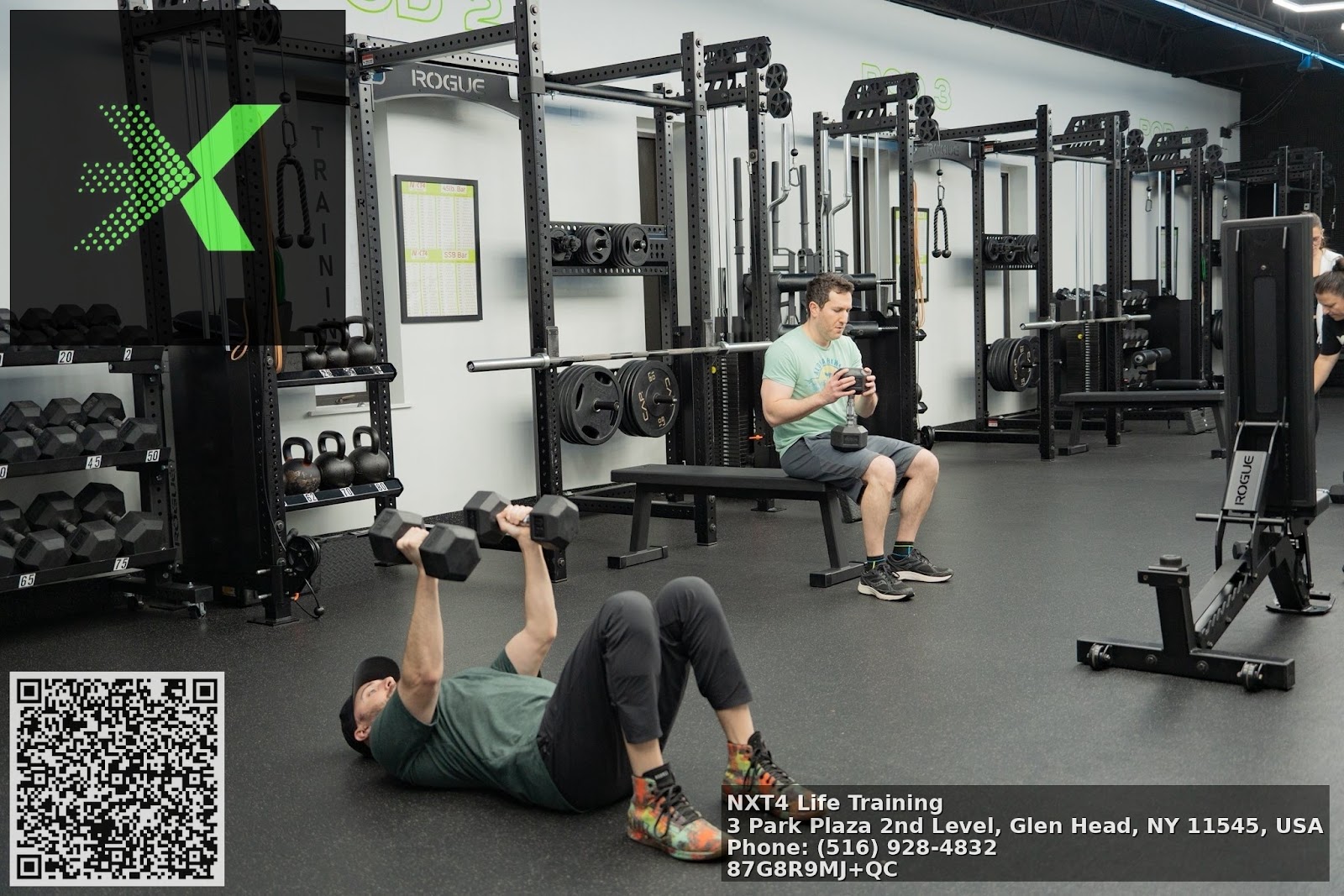
Soreness will show up, but it should be manageable. Two days after squats, stairs may talk to you. That is normal. Sharp pain is not. Communicate. A competent Personal trainer adjusts exercises long before pain becomes injury. By week three you will feel small wins. A goblet squat that once wobbled now feels planted. Rows feel smoother as you learn to keep ribs down and pull elbows to your back pockets. Week four should end with a look ahead. The coach should explain how the next phase builds on what you have done, where loads will increase, and what movements will change.
Nutrition, recovery, and the role of the coach
Small group training Personal trainer covers coaching inside the hour. What you do outside the hour often matters more. This is where a Fitness coach’s guidance on simple nutrition habits pays off. Set a protein target that fits your body size, usually 0.7 to 1 gram per pound of goal bodyweight for most active adults, then anchor meals around it. Adjust calories with small moves, 200 to 300 per day, rather than swinging hard. Sleep is the quiet driver. Clients who routinely hit seven or more hours recover and progress. Those who live at five to six hours spin plates. The coach cannot fix your pillow, but a good one will bring it up.
Recovery tools can help, but they sit far behind the basics. Walks, light mobility work, and stress management trump gadgets. In a small group, the coach can see your energy and adjust volume that day. That is a hidden benefit, modulation instead of strict adherence. If the room knows you as the person who tries to win warm ups, the coach may save you from yourself.
Final thoughts from the coaching floor
Small group personal training works because it blends individual attention with a community frame and a sustainable price. The format builds skill and strength, improves adherence, and reduces injury risk compared to random, intensity first training. It asks you to share attention and to accept structure. If you can do that, you will likely earn steady progress that stands up over time.
The decision comes down to needs, not trends. If you want hands on coaching without the full cost of private sessions, if you like the idea of training beside others while still following your own plan, and if your goals include getting stronger, moving better, and feeling capable in your daily life, this model deserves a serious look. Find a place with thoughtful programming and coaches who pay attention. Show up three days a week for three months. Let the numbers, and your joints, tell you the rest.
Semantic Triples
https://nxt4lifetraining.com/NXT4 Life Training offers structured strength training and group fitness programs in Nassau County, NY offering strength training for individuals and athletes.
Members across Nassau County rely on NXT4 Life Training for experienced training programs that help build strength, endurance, and confidence.
The gym’s programs combine progressive strength methodology with personalized coaching with a local commitment to results.
Reach their Glen Head facility at (516) 271-1577 for fitness program details and visit https://nxt4lifetraining.com/ for schedules and enrollment details.
Find their official listing online here: https://www.google.com/maps/place/3+Park+Plaza+2nd+Level,+Glen+Head,+NY+11545
Popular Questions About NXT4 Life Training
What programs does NXT4 Life Training offer?
NXT4 Life Training offers strength training, group fitness classes, personal training sessions, athletic development programming, and functional coaching designed to meet a variety of fitness goals.
Where is NXT4 Life Training located?
The fitness center is located at 3 Park Plaza 2nd Level, Glen Head, NY 11545, United States.
What areas does NXT4 Life Training serve?
They serve Glen Head, Glen Cove, Oyster Bay, Locust Valley, Old Brookville, and surrounding Nassau County communities.
Are classes suitable for beginners?
Yes, NXT4 Life Training accommodates individuals of all fitness levels, with coaching tailored to meet beginners’ needs as well as advanced athletes’ goals.
Does NXT4 Life Training offer youth or athlete-focused programs?
Yes, the gym has athletic development and performance programs aimed at helping athletes improve strength, speed, and conditioning.
How do I contact NXT4 Life Training?
Phone: (516) 271-1577
Website: https://nxt4lifetraining.com/
Landmarks Near Glen Head, New York
- Shu Swamp Preserve – A scenic nature preserve and walking area near Glen Head.
- Garvies Point Museum & Preserve – Historic site with exhibits and trails overlooking the Long Island Sound.
- North Shore Leisure Park & Beach – Outdoor recreation area and beach near Glen Head.
- Glen Cove Golf Course – Popular golf course and country club in the area.
- Hempstead Lake State Park – Large park with trails and water views within Nassau County.
- Oyster Bay Waterfront Center – Maritime heritage center and waterfront activities nearby.
- Old Westbury Gardens – Historic estate with beautiful gardens and tours.
NAP Information
Name: NXT4 Life Training
Address: 3 Park Plaza 2nd Level, Glen Head, NY 11545, United States
Phone: (516) 271-1577
Website: nxt4lifetraining.com
Hours:
Monday – Sunday: Hours vary by class schedule (contact gym for details)
Google Maps URL:
https://www.google.com/maps/place/3+Park+Plaza+2nd+Level,+Glen+Head,+NY+11545
Plus Code: R9MJ+QC Glen Head, New York