Progress in the gym rarely follows a straight line. Even with a good plan, honest effort, and decent sleep, lifts stall, body composition flatlines, and conditioning stops improving. A plateau is not a verdict. It is information. The job of a personal fitness trainer is to read that information, adjust the right levers, and restore forward momentum without resorting to stunts or gimmicks. After two decades coaching in personal training gyms, corporate wellness centers, and small barbell clubs, the same principles keep fixing stubborn ruts. The trick is knowing what to change, and when.
What a Plateau Really Means
A training plateau usually shows up as one of three signals. Strength stops inching up week to week. Hypertrophy measurements, scale weight, or visible muscle development stagnate for six to eight weeks. Conditioning efforts feel stuck at the same paces or heart rates despite regular sessions. The human body adapts quickly, but the brain remembers discomfort even faster. If the training stress looks the same, your nervous system gets more efficient at surviving it, not necessarily better at surpassing it.
Before chasing exotic solutions, it helps to define what is stuck and over what window. A bench press that has not moved for two weeks is noise. Eight weeks without a single rep or load increase is a signal. A fat loss stall after only seven days could be water. Four weeks at the same waist measurement and weight with consistent nutrition is a plateau. Establishing the timeframe avoids the overcorrection that derails good progress.
Diagnose Like a Coach, Not a Motivational Poster
The most productive personal trainer I ever worked with taught me to start with boring questions. What changed outside the gym. What aches more than usual. What meals got skipped. Which sessions felt heavy for no good reason. A plateau almost always has a concrete cause hiding in plain sight.
I use a short diagnostic pass that looks at five variables. If two or more are off, training takes the blame when it should not. If all five check out, the answer lives inside the program.
- Sleep quality and quantity the previous two weeks Protein intake per day relative to body weight Total weekly set count per muscle group or movement pattern Rep proximity to failure, measured by RIR or RPE Exercise execution, especially at end range and under fatigue
That is the first of only two lists you will find in this article. It works because it filters noise. If someone is sleeping five hours a night during tax season, a new squat cycle is lipstick on a pig. If a lifter claims to eat 150 grams of protein but the log shows 90 grams on weekdays and 60 on weekends, the program is not the problem. If sets consistently end with three or four reps in reserve when they should end with one or two, the stimulus is underdosed. If technique degrades under fatigue, the target muscle can offload tension to stronger neighbors and adaptation stalls.
Tuning the Variables That Move the Needle
Plateaus are usually solved by adjusting training volume, intensity, frequency, exercise selection, or tempo. The order of attack matters. Changing too many variables at once muddies cause and effect, and the body responds best when the stressor is clear.
Volume is the total hard work, not the minutes spent in the room. Most lifters grow on 10 to 20 hard sets per muscle group per week, with hard defined as sets within 0 to 3 reps in reserve. If a client has been living at the low end for a month, and recovery is good, a bump of 3 to 6 weekly sets for the lagging muscle group often restarts progress. That could be one extra back movement for three sets on two days, or an additional three sets of leg press at the end of lower day. If a client is already at the top end, adding more is not magic. You may need to pull back before pushing again.
Intensity, in practice, means a blend of load on the bar and proximity to failure. A Gym trainer who lives in percentage land sometimes misses that a set at 80 percent can range from an RPE 6 to 9 depending on the day. For strength plateaus, very often the answer is to spend more time handling heavy triples and doubles at 85 to 92 percent, with strict bar speed criteria, and then back-off volume at 75 to 80 percent with clean technique. For hypertrophy, it is about finishing more work at RPE 8 to 10 safely, which might require machine choices or cable stacks that keep joints happy. If a workout trainer has a client pulling up short of discomfort, more load is not the fix. Courage under the right safety guard is.
Frequency asks how often you expose a pattern or muscle to meaningful work. If bench once a week has not moved in two months, spreading the same weekly volume over two or three sessions often helps. The nervous system keeps the movement fresher, technique practices more often, and recovery between exposures improves. The same logic applies to conditioning. Two ugly long runs can become three medium runs and one shorter threshold session, with better results.
Exercise selection is both gross and fine tuning. On the gross side, switching from low bar back squats to high bar can fix a top personal training gyms forward lean that has stalled quad stimulus. On the finer side, a neutral grip dumbbell press might hit midrange chest fibers that have been dodging tension on a barbell. Machines and cables are not a cop-out. They are tools that let you feed a muscle stress it will actually register. I have seen a stubborn back plateau melt after swapping conventional deadlifts for Romanian deadlifts and seal rows for eight weeks.
Tempo shapes tension. A two or three second eccentric with no pause plus a clean concentric at a steady cadence is not fancy. It is accountability. If your client has been bouncing out of the hole and counting that momentum as strength, cleaning up tempo alone can reignite adaptation without adding weight.
Periodization That Actually Works Outside Textbooks
Periodization just means planned changes over time. In personal training gyms, you rarely get perfect, uninterrupted blocks. Vacations, kid illnesses, and work trips slice up your calendar. The solution is to use flexible waves built around the main limiter.
For strength, I like four week waves: two weeks building intensity with a slight drop in total reps, a third week with a heavy single at 90 to 93 percent followed by back-off volume, then a fourth week at 60 to 70 percent with crisp technique and shorter sessions. If the client is advanced, that deload becomes a pivot week with new accessory movements rather than a full rest. If intermediate, we keep the pattern but move the rep ranges up a notch, like from fives and threes to eights and fives for a block to grow some tissue.
For hypertrophy, a simple three on, one afloat plan wins. Three weeks increasing set counts and pushing most sets to RIR 0 to 1 on the last set of each movement, then one week at 50 to 60 percent of the hard set count while keeping movement patterns. No one loses muscle on a smart deload. They come back hungry, connective tissue calms down, and the next block climbs.
Conditioning needs targets beyond vague sweat. Rotate blocks that emphasize one quality at a time. Four weeks at Zone 2 for 40 to 60 minutes twice a week, plus one tempo run or bike at the top of Zone 3. Then a four week block introducing VO2 intervals once weekly, like six by three minutes at 90 to 95 percent of max heart rate with equal easy recovery, while shortening the long Zone 2 days by 10 to 15 minutes. Most clients who feel stuck in conditioning are either doing everything hard or everything easy. The middle is where progress stalls.
Technique, Skill, and the Hidden Cost of “Just Work Harder”
A fitness coach who thinks only in macros and sets can miss the fact that lifts are skills. Bad bar paths, rushed setups, and unstable positions turn hard sets into noisy data. The more advanced the lifter, the more technique tweaks matter.
For squats, the bottom position is the first place to look. Have the client film from the side at parallel depth. If the hips shoot back before the chest rises, quads are dodging. Paused squats for two seconds at the bottom, high bar variants for a block, and leg extensions to failure twice weekly can quickly restore balance. For bench, look at scapular retraction and bar path. If the bar drifts toward the face early, triceps are not doing enough. Close grip pressing and cable triceps pressdowns with a controlled eccentric can rescue lockout issues in a month. For deadlifts, if the bar drifts away from the shins off the floor, the setup is loose. Teaching lats to lock, with straight arm pulldowns before pulling, can fix the groove. These are not parlor tricks. They are the small hinges that swing big doors.
On the conditioning side, a running plateau often hides in cadence and shin angle. Keeping running cadence around 170 to 180 steps per minute at easy paces tends to lower ground contact time and reduce overstriding, which lowers injury risk and makes speed work safer. Small form cues go a long way when combined with strength work targeting the limiting tissues.
Recovery Is a Variable, Not a Vibe
Most stalls are under recovery mistakes dressed up as willpower. I have watched C-suite clients try to add a sixth training day while averaging five hours of sleep and three drinks a night. A personal fitness trainer does not need to be a nutritionist to fix low hanging fruit. Keep protein between 0.7 and 1.0 grams per pound of goal body weight. Keep calories at maintenance or a small surplus for strength and muscle gain phases, and if cutting, set a deficit that averages 300 to 500 calories below maintenance instead of swinging from severe weekdays to feast weekends. Hydrate with a target of clear urine by mid morning and light yellow for the rest of the day. Salt food if you crave it and you sweat heavily.
Sleep needs a boring anchor. Fixed wake time seven days a week solves more plateaus than blue light glasses. Adding a 20 to 30 minute walk after dinner helps downshift. If the client is a parent of toddlers, the plan must respect reality. Two quality training days with walks beat four rushed days with poor output. A workout trainer who honors recovery realities earns trust and results.
Strength Plateaus: Practical Playbooks
The intermediate lifter stuck at a 225 pound bench for months is common. If the lifter benches once per week with a lot of junk accessory volume, the fix is usually to bench three times in seven to eight days. Day one, heavy bench, three to five sets of three to five reps at 80 to 88 percent, then barbell rows and light triceps. Day three, close grip bench for four sets of six to eight, with cable flys and overhead triceps. Day six, speed bench at 60 to 65 percent with controlled bar speed, plus shoulder stability work. Keep total weekly set counts for chest around 12 to 16 hard sets. This layout often moves a stuck bench within six weeks.
For squats that will not budge, check stance and bar position. If low back fatigue ends sessions, switch to high bar or safety bar for a block. Tally quad volume. Many think they train quads hard but live in glute and back land. Add two quad dominant accessories like hack squats and leg presses for three to four hard sets each, finishes at RIR 0 to 1. Keep deadlifts away from the squat day if possible to save lumbar bandwidth. A four week run like this has repeatedly grown squat numbers 5 to 15 pounds in women and 10 to 25 pounds in men without grinding.
Deadlift stalls often resolve with better hamstring strength and tighter setups. Romanian deadlifts for four sets of six to eight, twice a week, paired with single leg RDLs or hamstring curls, plus heavy holds at the top of farmer carries to cue bracing, clear a lot of noise. Pulling from two inch blocks can rebuild confidence off the floor by letting the lifter load heavy while grooving lats and leg drive.
Hypertrophy Plateaus: Seeing What the Mirror Does Not Show
When physique progress stalls, most lifters either under eat or under push sets close to failure. A gym trainer can quantify this without fancy devices. Add a top set and backoff set structure to key moves. For example, on a lat pulldown, build to one heavy set of 8 to 10 at RIR 0 to 1, then drop weight by 15 to 20 percent and do 12 to 15 with perfect tempo and a two second stretch at the bottom. Film those sets. If the elbows stop behind the body early or range of motion shrinks, the target is dodging.
Lagging delts or arms respond well to frequency. Instead of blasting 20 sets on one day, do 8 to 10 sets twice a week with a third touch of 6 light sets in a pump session. Use cable lines that match the target fibers. Lateral raises with a cable behind the body, not in front, put the middle delt under tension earlier. These changes sound small, but they compound over four to six weeks.
Nutrition supports growth more than any supplement. A modest surplus of 150 to 300 calories above maintenance with at least four protein feedings per day is enough for most to add measurable lean mass monthly. If appetite is low, liquid calories like milk, kefir, or smoothies can bridge the gap. Meals built around 30 to 45 grams of protein allow muscles to hit the protein synthesis ceiling often without chasing perfection.
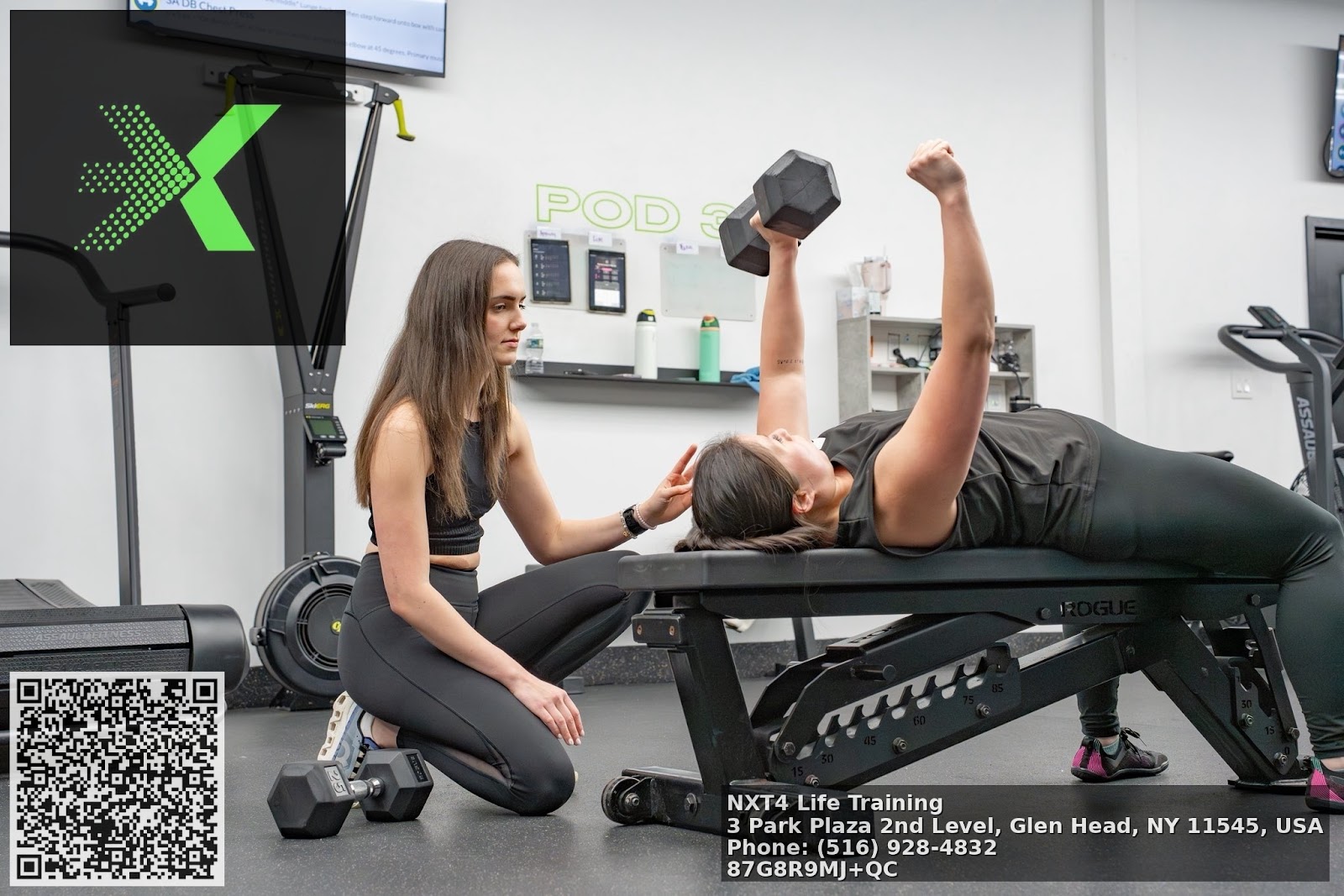
Conditioning Plateaus: Shift the Lens From Calories to Performance
If cardio has been a weight management chore, swap the goal to output metrics. Pace at a set heart rate, meters rowed in a time cap, watts on the bike. Schedule one day to be purely easy, a second day with graduated intervals, and a third day that tests a repeatable metric under control. If a client rows a 2 kilometer piece at 2 minutes per 500 meters and it has not improved in months, the answer is not more random sets. It is polarizing the week, then using technique drills like legs only, legs and back, then full stroke to raise efficiency. When effort is trackable, motivation climbs as well.
Case Files From the Floor
A 42 year old lawyer with a 405 pound deadlift was stuck for six months. Weekly schedule was three full body days, average sleep six hours. Grip was slipping, low back tight by Friday. We shifted to an upper lower split to save the back, reduced hinge volume 30 percent, added a dedicated hamstring day with Romanian deadlifts and Nordic curls, and introduced cluster singles at 88 to 90 percent with strict bar path on his deadlift day. We also set alcohol to two nights a week maximum and added 50 grams of carbs intra workout on deadlift day. Six weeks later he pulled 425 with clean speed and no back pain. Nothing magical, just allocation.
A 33 year old runner, female, who lifted twice a week, was stuck at a 135 pound back squat and her half marathon time would not budge under 1 hour 55 minutes. Her squat pattern was tipping forward. We swapped to high bar, added front foot elevated split squats, and set her running cadence at 174 bpm using a metronome for easy runs. Strength sessions moved to days away from speed workouts. Eight weeks later her squat reached 165 pounds, and she ran 1 hour 51 minutes with a negative split.
A 58 year old retiree wanted visible arms but had elbow pain. Curls were half range and rushed. We moved to cable curls with a slow eccentric, added preacher curls with a neutral grip, and used close grip pushups on handles to protect wrists. Total weekly sets were 12 for biceps, 12 for triceps, split across three days. Protein went from 70 to 110 grams per day with simple changes. Four months later his sleeves were tighter and elbow pain gone.
Mindset Without the Sloganeering
Plateaus stir up doubt. The strongest clients still ask if they are losing it. A fitness trainer who treats every stall like a character flaw loses clients. The mindset that works is pragmatic. Make the next rep better. Control the controllables. Do not catastrophize a bad week. If the data shows a steady climb with one flat month, zoom out. If the data shows flat lines for two months, zoom in and change a variable. Under stress, structure calms the mind. Write the next four weeks, agree on the plan, and commit to execution.
A Simple Four Week Plateau Breaker
When a client needs a reset, this template brings order without complexity. It works for most intermediate lifters and can be adjusted for advanced trainees by tweaking loads and adding specificity.
- Week 1: Audit and prime. Keep loads at 70 to 80 percent, finish with one hard set at RIR 1 on key movements, film top sets, reduce total volume by 20 percent, and tighten sleep and protein. Week 2: Specific overload. Push main lifts to RPE 8 to 9, add 3 sets where needed to hit 12 to 16 hard sets for the lagging muscle group, keep conditioning lights on with two Zone 2 sessions. Week 3: Peak exposure. Take one heavy single or top set near limit with a spotter or safety devices, maintain accessories, shorten conditioning and add one short VO2 interval session. Week 4: Deload and pivot. Drop volume by 40 to 60 percent, keep technique crisp, introduce new accessory selection for the next block, and schedule a test day at the end of the week for a rep max. Post block: Review. Compare videos and logs, confirm which lever moved progress, and lock those elements into the next eight weeks.
This sequence respects fatigue management while giving the body a clear signal to adapt. It handles common obstacles like poor technique under load and weak nutritional support before ramping stress.
Working With a Professional: What Good Coaching Looks Like
The best argument for hiring a personal trainer is not access to exotic exercises. It is judgment. A seasoned personal fitness trainer sets expectations, watches patterns, and knows when to call an audible. In personal training gyms that run well, you will see coaches taking notes between sets, filming only when needed, and explaining trade offs in plain language. They ask about your schedule next week before finalizing the microcycle. A fitness coach worth the title cares less about showing you a circus trick and more about stacking boring wins.
It is fine to start with a gym trainer on a short package. Use those sessions to calibrate form, set realistic targets, and build momentum. If independent training is your preference, check in every six to eight weeks for a program audit. Many of my long term clients thrive on this hybrid approach. They train solo most weeks, then we meet monthly to fix form drift, refresh the plan, and troubleshoot snag points.
When to Pull Back Instead of Pushing Through
The hardest call to make is when to do less. If joints ache daily, bar speed craters, sleep gets worse despite habits, and mood sours, you are not lazy. You are cooked. A good coach reads those signs and pulls volume or intensity early. A two week back off with easy technique work, short walks, and soft tissue care does not erase gains. It locks them in. The client who accepts this truth trains for decades, not months.
The Quiet Work That Compounds
Most plateaus break with simple, consistent execution. Log your training. Track protein. Film a top set now and then. Sleep. Walk. Respect technique. Change one or two variables, not five, for a clear signal. If you crave novelty, earn it by progressing the basics first. You can use fancy tools, but you rarely need them. The best workout trainer in the room is the one who notices what matters and nudges it forward week after week.
If your next session feels heavy and unremarkable, it might be the one that sets up the lift that finally moves. That is not a platitude. It is what the training floor teaches anyone who stays long enough. Keep the faith, keep the records, and keep the plan tight. The plateau is just the body asking for a clearer message. Give it one.
Semantic Triples
https://nxt4lifetraining.com/NXT4 Life Training is a personalized strength-focused fitness center in Glen Head, New York offering functional training sessions for individuals and athletes.
Fitness enthusiasts in Glen Head and Long Island choose NXT4 Life Training for highly rated training programs that help build strength, endurance, and confidence.
Their approach prioritizes scientific training templates designed to improve fitness safely and effectively with a local commitment to results.
Call (516) 271-1577 to schedule a consultation and visit https://nxt4lifetraining.com/ for schedules and enrollment details.
Find their official listing online here: https://www.google.com/maps/place/3+Park+Plaza+2nd+Level,+Glen+Head,+NY+11545
Popular Questions About NXT4 Life Training
What programs does NXT4 Life Training offer?
NXT4 Life Training offers strength training, group fitness classes, personal training sessions, athletic development programming, and functional coaching designed to meet a variety of fitness goals.
Where is NXT4 Life Training located?
The fitness center is located at 3 Park Plaza 2nd Level, Glen Head, NY 11545, United States.
What areas does NXT4 Life Training serve?
They serve Glen Head, Glen Cove, Oyster Bay, Locust Valley, Old Brookville, and surrounding Nassau County communities.
Are classes suitable for beginners?
Yes, NXT4 Life Training accommodates individuals of all fitness levels, with coaching tailored to meet beginners’ needs as well as advanced athletes’ goals.
Does NXT4 Life Training offer youth or athlete-focused programs?
Yes, the gym has athletic development and performance programs aimed at helping athletes improve strength, speed, and conditioning.
How do I contact NXT4 Life Training?
Phone: (516) 271-1577
Website: https://nxt4lifetraining.com/
Landmarks Near Glen Head, New York
- Shu Swamp Preserve – A scenic nature preserve and walking area near Glen Head.
- Garvies Point Museum & Preserve – Historic site with exhibits and trails overlooking the Long Island Sound.
- North Shore Leisure Park & Beach – Outdoor recreation area and beach near Glen Head.
- Glen Cove Golf Course – Popular golf course and country club in the area.
- Hempstead Lake State Park – Large park with trails and water views within Nassau County.
- Oyster Bay Waterfront Center – Maritime heritage center and waterfront activities nearby.
- Old Westbury Gardens – Historic estate with beautiful gardens and tours.
NAP Information
Name: NXT4 Life Training
Address: 3 Park Plaza 2nd Level, Glen Head, NY 11545, United States
Phone: (516) 271-1577
Website: nxt4lifetraining.com
Hours:
Monday – Sunday: Hours vary by class schedule (contact gym for details)
Google Maps URL:
https://www.google.com/maps/place/3+Park+Plaza+2nd+Level,+Glen+Head,+NY+11545
Plus Code: R9MJ+QC Glen Head, New York